The Importance of Commercial HVAC Maintenance for Optimal System Performance
Commercial HVAC maintenance is a critical aspect of ensuring the smooth operation of heating, ventilation, and air conditioning systems in commercial settings. Regular maintenance not only enhances system efficiency but also helps in avoiding costly repairs and breakdowns. Let's delve into the key aspects of commercial HVAC maintenance to understand its significance in maintaining a comfortable indoor environment.
Importance of Commercial HVAC Maintenance

Regular maintenance of commercial HVAC systems is essential to ensure optimal performance and longevity. Without proper maintenance, various issues can arise, leading to costly repairs, reduced energy efficiency, and potential downtime.
Potential Issues Without Proper Maintenance
- Dirty filters causing restricted airflow and decreased indoor air quality.
- Refrigerant leaks leading to inefficient cooling/heating and potential environmental harm.
- Worn-out components causing system malfunctions and breakdowns.
Impact on Energy Efficiency and Operational Costs
Regular maintenance helps improve energy efficiency by ensuring the system operates at peak performance. Neglected maintenance can result in higher energy consumption, increased utility bills, and the need for costly repairs or replacements in the long run.
Components of a Comprehensive HVAC Maintenance Plan

Regular maintenance is crucial for ensuring the optimal performance and longevity of commercial HVAC systems. A comprehensive maintenance plan should include the following key components:
Regular Inspections
Regular inspections help identify any potential issues before they escalate into major problems. Technicians can check for leaks, worn-out components, or any other issues that may affect the system's efficiency.
Cleaning and Tune-ups
Cleaning the HVAC system regularly helps prevent the buildup of dirt, dust, and debris, which can hinder its performance. Tune-ups involve adjusting settings, calibrating controls, and ensuring all components are working efficiently.
Filter Replacement
Regularly replacing filters is essential for maintaining good indoor air quality and preventing the system from overworking. Clogged filters can lead to reduced airflow, decreased efficiency, and increased energy consumption.
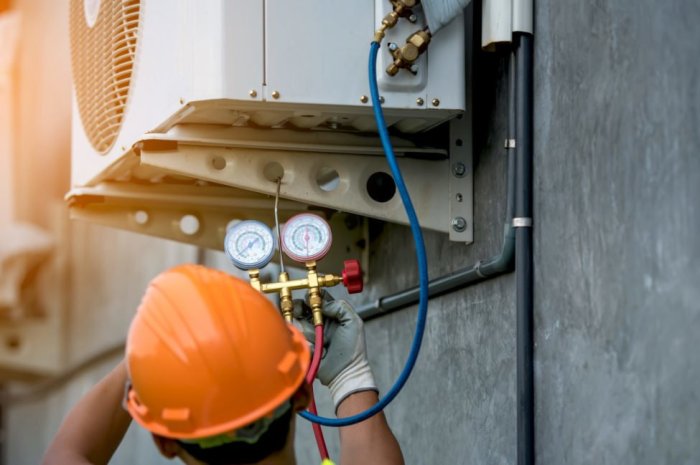
Checking Refrigerant Levels
Proper refrigerant levels are crucial for the efficient operation of HVAC systems. Technicians should regularly check and adjust refrigerant levels to ensure optimal performance and prevent system breakdowns.
Inspecting Electrical Components
Regularly inspecting electrical components such as wiring, connections, and controls is essential for preventing electrical issues and ensuring the safety of the system. Faulty electrical components can lead to system malfunctions or even fires.
Preventive Maintenance
Implementing a preventive maintenance schedule can help extend the lifespan of HVAC equipment. By addressing minor issues before they turn into major problems, preventive maintenance can save time and money in the long run.
Documentation and Record-Keeping
Keeping detailed records of maintenance activities, inspections, repairs, and replacements is essential for tracking the system's performance over time. Documentation can help identify trends, predict potential issues, and make informed decisions about future maintenance needs.
Benefits of Outsourcing HVAC Maintenance Services

Outsourcing HVAC maintenance services can offer numerous benefits to businesses, ranging from cost savings to improved efficiency and expertise.
Advantages of Outsourcing vs. In-house Maintenance
- Cost-effectiveness: Outsourcing HVAC maintenance can be more cost-effective than hiring in-house technicians, as it eliminates the need for additional staff and training expenses.
- Specialized expertise: Professional HVAC technicians have the specialized knowledge and skills to diagnose and address issues efficiently, ensuring optimal system performance.
- Access to advanced tools and technology: Outsourced maintenance providers often have access to advanced tools and technology that may not be available in-house, leading to more effective maintenance solutions.
Examples of Cost Savings and Efficiency Improvements
- Reduced downtime: Regular maintenance by professional technicians can help prevent unexpected breakdowns and reduce downtime, leading to increased productivity.
- Energy efficiency: Outsourcing HVAC maintenance can result in improved energy efficiency, leading to lower utility bills and reduced environmental impact.
- Extended equipment lifespan: Proper maintenance can prolong the lifespan of HVAC equipment, reducing the need for costly replacements in the long run.
Common Commercial HVAC Maintenance Practices

Regular maintenance is crucial for commercial HVAC systems to ensure optimal performance and energy efficiency. By following a set of routine maintenance tasks, you can prolong the lifespan of your system and prevent costly breakdowns. Let's explore some common maintenance practices below:
1. Changing Air Filters
Regularly changing air filters is essential to maintain good indoor air quality and prevent the buildup of dust and debris in the system. Clogged filters can restrict airflow, causing the system to work harder and consume more energy. It is recommended to change filters every 1-3 months, depending on the type of filter and usage.
2. Inspecting Ductwork
Inspecting ductwork for leaks, cracks, or blockages is important to ensure proper airflow throughout the building. Leaky ducts can lead to energy waste and uneven heating or cooling. Regular inspections can help identify issues early on and prevent more significant problems down the line.
3. Checking Refrigerant Levels
Maintaining the correct refrigerant levels in your HVAC system is crucial for efficient operation. Low refrigerant levels can lead to decreased cooling capacity and increased energy consumption. Regularly checking and topping off refrigerant levels can help prevent system breakdowns and costly repairs.By incorporating these routine maintenance tasks into your commercial HVAC maintenance plan, you can improve system efficiency, reduce energy costs, and extend the lifespan of your equipment.
Preventive maintenance not only ensures a comfortable indoor environment for building occupants but also helps avoid unexpected downtime and costly emergency repairs.
Last Point
In conclusion, commercial HVAC maintenance is a proactive approach that guarantees the longevity and efficiency of HVAC systems in commercial buildings. By prioritizing regular maintenance and addressing issues promptly, businesses can create a conducive indoor environment while optimizing energy consumption and operational costs.
Stay informed, stay proactive, and reap the benefits of a well-maintained HVAC system.
General Inquiries
What are the benefits of regular commercial HVAC maintenance?
Regular maintenance ensures optimal system performance, reduces energy consumption, prevents costly repairs, and prolongs the lifespan of HVAC equipment.
How often should commercial HVAC systems be inspected and serviced?
Commercial HVAC systems should ideally be inspected and serviced at least twice a year – once before the cooling season and once before the heating season.
Is outsourcing HVAC maintenance services cost-effective for businesses?
Outsourcing HVAC maintenance services can be cost-effective for businesses as it provides access to specialized expertise, reduces the workload on in-house staff, and ensures timely maintenance.