Exploring HVAC Inspection Services: A Comprehensive Guide
Diving into the realm of HVAC inspection services, this introduction sets the stage for a detailed exploration of the topic. From understanding the importance of maintaining indoor air quality to uncovering common issues during inspections, this guide covers it all.
In the following paragraphs, we will delve deeper into the benefits of regular HVAC inspections, the process involved in these inspections, the significance of hiring professional services, and tips for selecting the right HVAC inspection service provider.
Introduction to HVAC Inspection Services

HVAC inspection services are essential for maintaining indoor air quality and ensuring the proper functioning of heating, ventilation, and air conditioning systems. These services involve a thorough examination of HVAC components to identify any issues or potential problems.
Primary Objectives of HVAC Inspections
- Identifying and addressing any potential safety hazards, such as gas leaks or electrical issues.
- Ensuring optimal performance and energy efficiency of the HVAC system.
- Prolonging the lifespan of the HVAC equipment through regular maintenance and inspections.
Typical Components Inspected During HVAC Services
- Air filters: Checking and replacing dirty or clogged filters to maintain air quality and system efficiency.
- Ductwork: Inspecting for leaks, blockages, or damage that can affect airflow and indoor air quality.
- Thermostat: Testing and calibrating the thermostat to ensure accurate temperature control.
- Electrical connections: Checking for loose connections or faulty wiring that can pose fire risks.
- Refrigerant levels: Verifying proper refrigerant levels to avoid system damage and inefficiency.
Benefits of Regular HVAC Inspections

Regular HVAC inspections offer several advantages that can help homeowners and businesses maintain optimal indoor comfort and efficiency. By scheduling routine inspections, you can:
- Improve Energy Efficiency: Regular HVAC inspections ensure that your system is running at peak efficiency, reducing energy consumption and lowering utility bills.
- Prevent Costly Repairs: Routine maintenance can help identify small issues before they escalate into major problems, saving you money on expensive repairs in the long run.
- Extend Equipment Lifespan: By addressing any issues early on, regular inspections can help prolong the lifespan of your HVAC system, maximizing your investment.
- Ensure Indoor Air Quality: Proper maintenance of your HVAC system through regular inspections can help improve indoor air quality by keeping filters clean and preventing mold or other contaminants from circulating.
Process of HVAC Inspections

When conducting an HVAC inspection, technicians follow a systematic process to ensure that all components of the system are thoroughly checked and assessed. This helps in identifying any potential issues and ensuring the HVAC system operates efficiently.
Step-by-Step Process
During an HVAC inspection, technicians typically follow these steps:
- 1. Visual Inspection: Technicians visually inspect the HVAC system to identify any visible signs of wear and tear, leaks, or damage.
- 2. Air Filter Check: The air filters are checked and replaced if necessary to ensure proper airflow and indoor air quality.
- 3. Thermostat Calibration: Technicians calibrate the thermostat to ensure accurate temperature control.
- 4. Electrical Component Inspection: All electrical components, including wiring and connections, are inspected for any issues.
- 5. Refrigerant Level Check: The refrigerant levels are checked to ensure optimal cooling performance.
- 6. Ductwork Inspection: Technicians inspect the ductwork for leaks, blockages, or any other issues affecting airflow.
- 7. System Testing: The HVAC system is tested to ensure it is functioning properly and efficiently.
Tools and Equipment Used
During an HVAC inspection, technicians use various tools and equipment to assess the system effectively. Some common tools include:
- 1. Multimeter: Used to check electrical connections and voltage levels.
- 2. Manometer: Measures gas pressure in the system.
- 3. Thermometer: Helps in checking temperature differentials across the system.
- 4. Refrigerant Gauges: Used to measure refrigerant levels in the system.
Common Issues Uncovered
HVAC inspections can uncover a range of common issues, including:
- 1. Dirty Air Filters: Dirty filters can restrict airflow and reduce system efficiency.
- 2. Refrigerant Leaks: Leaks can lead to a drop in cooling capacity and increased energy consumption.
- 3. Electrical Problems: Faulty wiring or connections can pose a safety hazard and affect system performance.
- 4. Ductwork Issues: Leaks or blockages in ductwork can lead to uneven heating or cooling in different areas of the building.
Importance of Hiring Professional HVAC Inspection Services

When it comes to ensuring the optimal performance and longevity of your HVAC system, hiring professional HVAC inspection services is crucial. While DIY inspections may seem cost-effective initially, the benefits of hiring a professional far outweigh the risks associated with neglecting professional inspections.
Benefits of Hiring a Professional
Here are some key benefits of hiring a professional HVAC inspection service provider:
- Expertise: Professional technicians have the knowledge and experience to identify potential issues and provide effective solutions.
- Efficiency: Professionals can efficiently inspect and maintain your HVAC system, saving you time and ensuring optimal performance.
- Compliance: Certified professionals adhere to industry standards and regulations, ensuring that your system is safe and up to code.
Certifications and Qualifications
When selecting an HVAC inspection service provider, it is essential to look for the following certifications and qualifications:
Certified HVAC technician license, EPA certification, NATE certification
Risks of Neglecting Professional Inspections
Neglecting professional HVAC inspections can lead to a range of risks, including:
- Reduced efficiency and performance of the system
- Increased energy consumption and utility bills
- Potential safety hazards due to malfunctioning equipment
Tips for Choosing the Right HVAC Inspection Service

When selecting an HVAC inspection service, it is important to consider various factors to ensure you are choosing the right provider for your needs. Reading reviews, requesting references, and verifying licenses and insurance are crucial steps in making an informed decision.
Factors to Consider When Selecting an HVAC Inspection Service
- Experience and Expertise: Look for a company with a proven track record and experienced technicians who are knowledgeable about different HVAC systems.
- Services Offered: Make sure the company offers the specific services you need, whether it's routine maintenance, repairs, or full inspections.
- Pricing and Transparency: Get quotes from different companies and compare their pricing structures. Ensure that there are no hidden costs and that everything is transparent.
- Customer Reviews and References: Read reviews from previous customers and ask for references to get an idea of the service quality and customer satisfaction.
- Licenses and Insurance: Verify that the company is licensed to operate in your area and that they have proper insurance coverage to protect you and their employees in case of accidents.
Importance of Reading Reviews and Requesting References
Reading reviews and requesting references give you insight into the experiences of past customers with the HVAC inspection service provider. This feedback can help you gauge the quality of service, professionalism, and reliability of the company before making a decision.
Significance of Verifying Licenses and Insurance
Verifying licenses and insurance ensures that the HVAC inspection service provider meets the necessary legal requirements to operate and protects you from liability in case of accidents or damages during the inspection process.
Conclusion
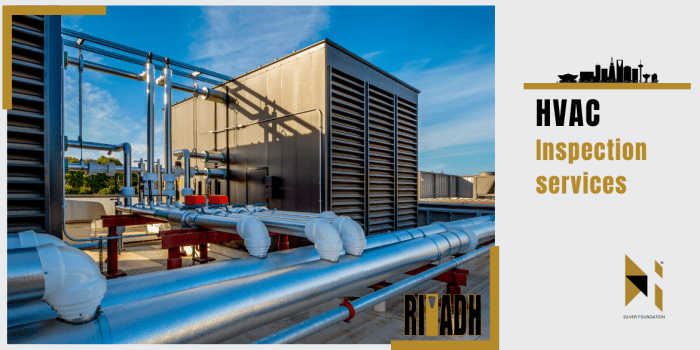
In conclusion, HVAC inspection services play a vital role in ensuring the efficiency and longevity of your HVAC system. By prioritizing regular inspections and opting for professional services, you can safeguard your indoor air quality and prevent costly repairs down the line.
Frequently Asked Questions
What are the primary objectives of HVAC inspections?
HVAC inspections aim to assess the condition of the system, identify potential issues, and ensure optimal performance.
Why is it important to hire professional HVAC inspection services?
Professional services offer expertise, certifications, and equipment to conduct thorough inspections and address any HVAC issues effectively.
How can regular HVAC inspections improve energy efficiency?
Regular inspections help identify inefficiencies in the system, allowing for timely adjustments that can enhance energy efficiency and reduce utility costs.